Human factors for aircraft, vehicles and machines.
Most human-factors problems are cheap to fix on paper and expensive once the layout is frozen. We bring human factors into your program from the first concept: who fits, who can reach and see what they need, how people understand the controls, and how everyone gets out.
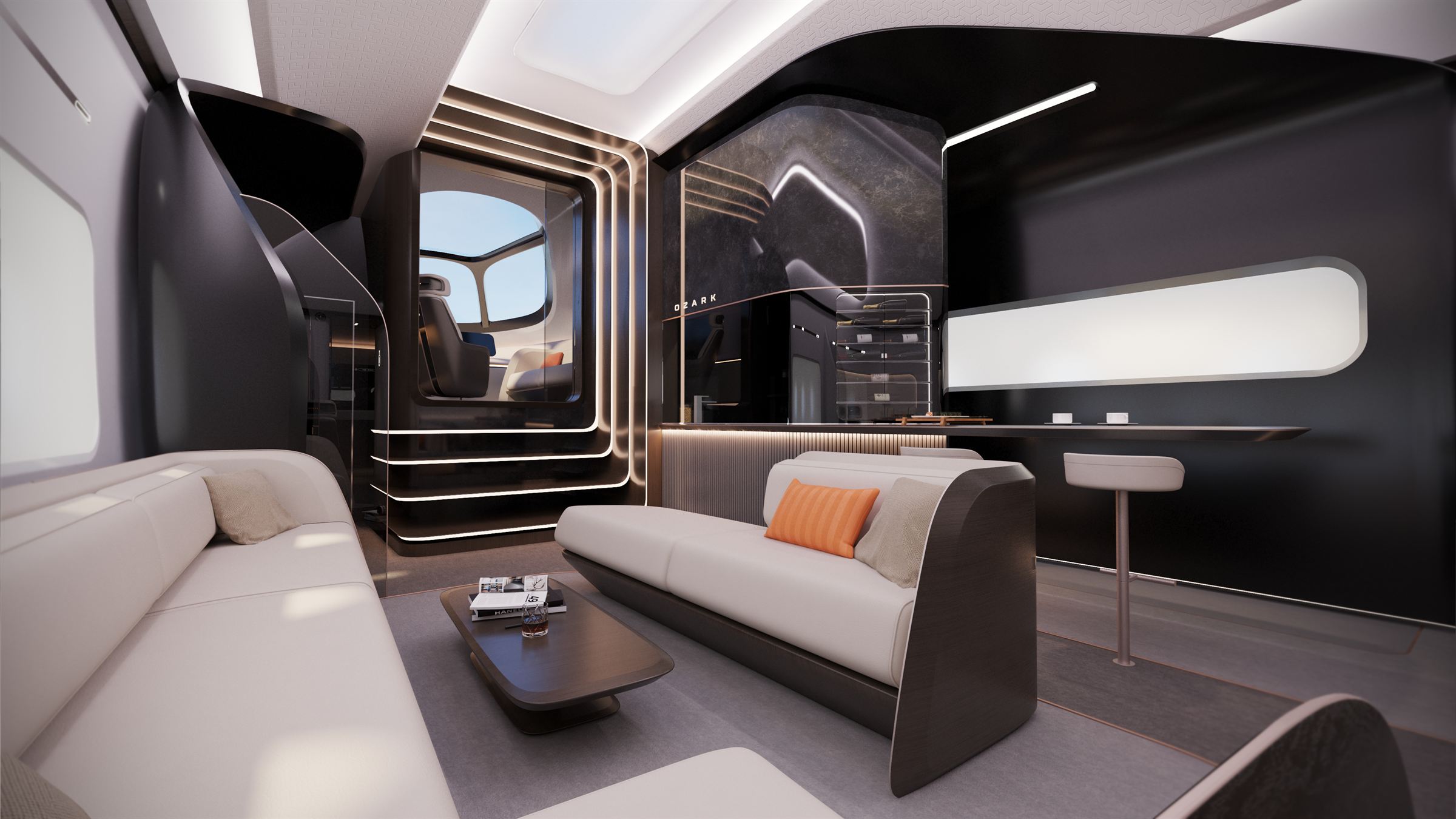
What is human factors?
Human factors, also called ergonomics or human factors engineering, designs machines and workplaces around the people who use them: their bodies, their senses, their attention and their limits. Done early, it makes products safer, faster to learn and easier to operate and maintain, and it turns late, expensive changes into early, cheap ones.
At D2Bridge, human factors sits next to our industrial, interior and HMI design, so the findings go straight into the design instead of into a report on a shelf.
- Disciplines
- Ergonomics · HMI · Research · Testing
- People
- Small woman to large man (P5 to P95)
- Domains
- Aircraft · eVTOL · Vehicles · Equipment
- Ways to work
- HF Review · Program support · Testing
- Led by
- Dedicated SME · FAA DER where needed
Built for teams designing for people
Program and engineering leads on new aircraft, eVTOL and vehicle programs, and teams designing cockpits, cabins, control stations and equipment that people have to operate or maintain.
Aircraft & eVTOL
Cockpits, cabins, crew rest and service areas on new aircraft and eVTOL programs.
AviationVehicles
Driver and operator stations, passenger spaces and entry and exit on new vehicle programs.
GroundControl stations
Consoles and workstations where operators monitor and control complex systems.
OperatorsEquipment & machines
Machines that people have to operate, load, inspect or maintain.
MaintainersHuman factors, from first sketch to freeze.
Ergonomics & fit
Fit, reach, vision and egress checks against the people who will use the layout, from a small woman to a large man.
AnthropometryTask analysis & research
How crews, operators and maintainers actually work: observation, interviews and task maps before the layout is drawn.
ResearchHMI & workload
Displays, controls and alerts that lower cognitive load, so the right action is the obvious one, even under pressure.
HMI →Mockups & usability testing
Physical and digital mockups, clickable prototypes and sessions with real users to settle questions before tooling.
TestingMaintainability & access
Can technicians reach, see and service what they need, with tools in hand and without taking the machine apart?
ServiceAccessibility & inclusion
Cabins, vehicles and stations that work for people of different sizes, ages and abilities, not only the average user.
Inclusive →Certification-aware HF
The human-factors questions your certification path will raise, listed and settled before your freeze, with an FAA DER where they call for it.
Cert-aware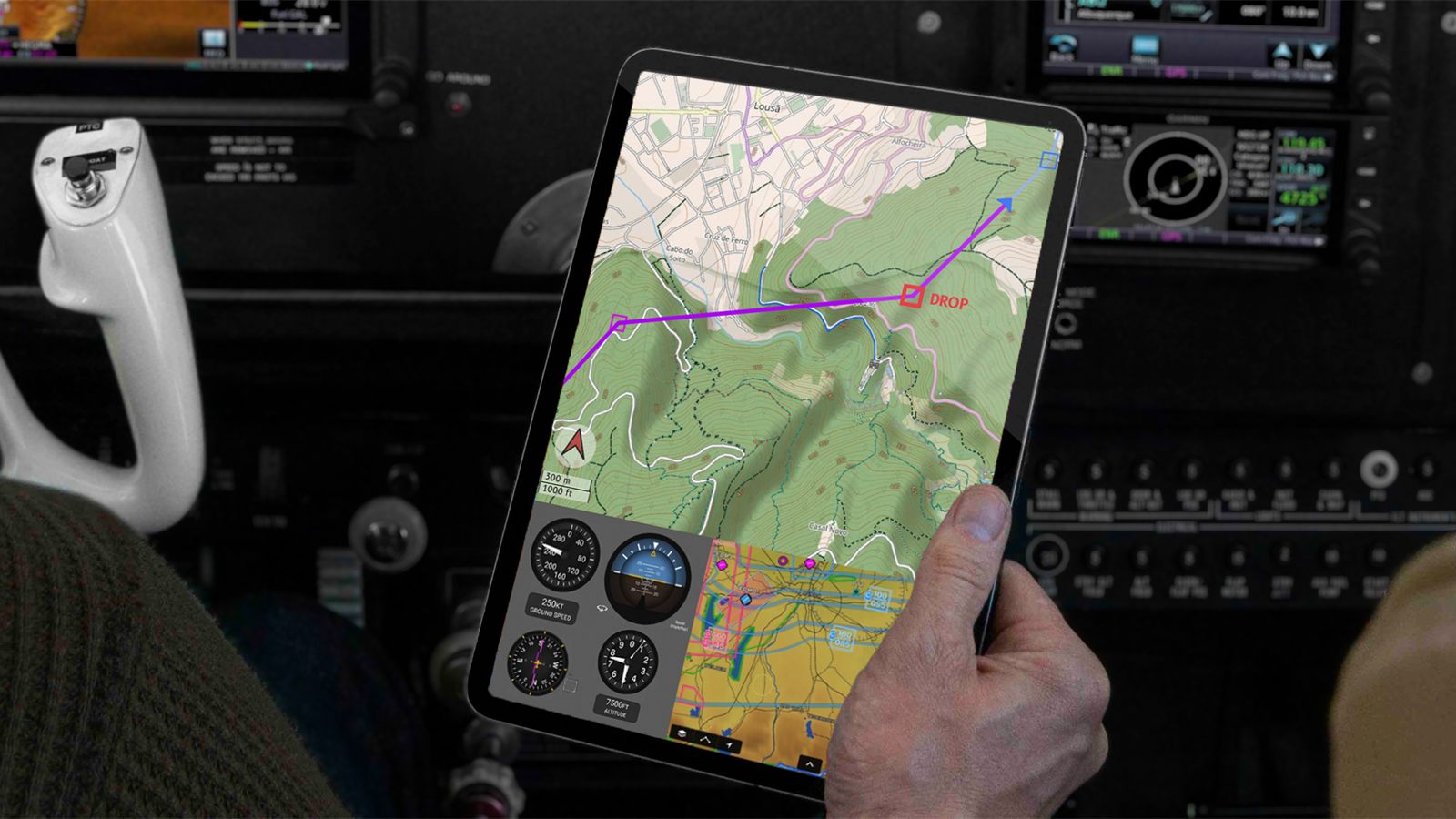
Pick the depth your program needs
Every program is different, so we don't publish a fixed price or timeline. After a short call, you get a written scope with what we'll do, who will do it, the timing and the cost.
HF Review
A focused check of your layout against the people who will use it, with a written report and a working session.
Review →Program support
Human factors alongside your engineers through a program phase, from concept and trade studies to the layout freeze.
EmbeddedMockups & testing
A mockup, prototype or usability session built to answer a specific question with real people.
TestingHF Review, scoped to your program
We take your layout (CAD, drawings or even renders) and check it against the people who will use it, from a small woman to a large man (P5 to P95), using the population data that fits your program. You get:
- Reach and vision checks for every crew or passenger position that matters
- An egress walk-through, including the smallest person and a blocked path
- The certification-relevant human-factors questions to settle before your freeze
- A written report sized to the question, and a working session with your team
The best time is before the freeze
- Concept
- Before the cockpit, cabin or station arrangement is set, while moving things is still easy.
- Development
- As displays, controls and procedures take shape, to test them with real people before tooling.
- Before a review
- Ahead of a design review or layout freeze, to settle the open human-factors questions.
- After a change
- When a new seat, panel or piece of equipment moves something people use or walk past.
From a call to answers.
Call
A short call. We agree what matters and sign your NDA.
Scope
You send the layout or brief, and we send back a written scope.
Work
We do the work on the agreed timeline, with your team in the loop.
Session
A working session to go through the findings and the next steps.
Experts matched to your program
Each engagement is led by a dedicated subject-matter expert matched to your program. Where the certification questions call for it, an FAA Designated Engineering Representative (DER) takes part, depending on the context and complexity.
Kosta Ziman, former Head of Design at Eviation, runs the studio side, and Blake Emery, a Boeing differentiation veteran, contributes on cabin and passenger work. D2Bridge itself is certification-aware, not a certifying body.
ManikinLab or human-factors work?
We built ManikinLab for our own early layout work and made it free. It's a concept aid, not a validated human model. When you need an answer you can defend in a design review, that's what our human-factors work is for.
- ManikinLab
- Free, in your browser. Quick manikins for exploring early layouts on your own.
- D2Bridge HF
- Scoped to your program, led by a dedicated expert, with findings you can defend and act on.
Common questions
More in the services FAQ
What is human factors engineering?
Human factors engineering designs machines and workplaces around the people who use them: their bodies, senses, attention and limits. It covers physical fit, reach and vision, how people understand displays and controls, workload, maintenance access and getting out safely.
What is the difference between human factors and ergonomics?
The terms are often used interchangeably. Ergonomics is often used for physical fit and comfort, while human factors also covers perception, decision-making and workload. We cover both.
What human-factors services do you offer?
Ergonomics and fit checks, task analysis and user research, HMI and workload design, mockups and usability testing, maintainability and access, accessibility and inclusive design, and certification-aware support. You can engage us for a focused HF Review, for support through a program phase, or for a specific mockup or test.
What does P5 to P95 mean?
P5 and P95 are percentiles for one body measurement, such as stature or sitting height. A P5 woman is smaller in that measurement than 95% of women; a P95 man is larger than 95% of men. Real people aren't the same percentile in every measurement, so we check the dimensions that matter for each task, such as reach, eye height or shoulder width, from a small woman to a large man. We use the population data that fits your program.
How much does it cost, and how long does it take?
Every program is different, so we don't publish a fixed price or timeline. After a short call, you get a written scope with what we'll do, who will do it, the timing and the cost.
Is D2Bridge a certifying body?
No. D2Bridge is certification-aware, not a certifying body. Where the certification questions call for it, an FAA Designated Engineering Representative (DER) takes part, depending on the context and complexity.
Can ManikinLab replace human-factors work?
No. ManikinLab is a free concept aid for early layout work, not a validated human model. When you need an answer you can defend in a design review, that's what our human-factors work is for.
Do you work outside aviation?
Yes. Besides aircraft and eVTOL, we work on vehicles, control stations and equipment that people have to operate or maintain.